Introduction to Tree Planting
Why Tree Planting Matters
Let’s be real—without trees, we’d be in serious trouble. Trees are the lungs of the Earth. They suck up carbon dioxide, pump out fresh oxygen, and serve as homes to millions of species. Whether you’re a seasoned gardener or someone just looking to give back to the planet, planting a tree is a powerful act of hope.
Global Tree Planting Initiatives
From the “Trillion Trees” movement to small local park projects, tree planting has become a global effort. Even tech companies and celebrities are jumping on board, using their platforms to fund mass planting campaigns.
Environmental Benefits of Planting Trees
Fighting Climate Change
Trees are nature’s carbon vacuums. By absorbing carbon dioxide during photosynthesis, they help reduce the greenhouse gases heating up our planet. One mature tree can absorb up to 48 pounds of CO2 annually!
Improving Air Quality
Ever notice how the air smells fresher near a forest? Trees act as natural air filters, trapping dust, pollutants, and even odors.
Preserving Biodiversity
Trees offer food and shelter to birds, insects, fungi, and mammals. They are keystone players in ecosystems, maintaining the balance of nature.
Economic & Social Advantages of Tree Planting
Increasing Property Value
Got curb appeal? Properties with well-placed trees can increase in value by up to 15%. That shady oak in the yard might just be boosting your real estate game.
Reducing Energy Bills
Trees offer natural insulation. They shade your home in summer and block cold winds in winter, meaning your AC and heater won’t have to work as hard.
Strengthening Communities
Planting trees in public spaces brings people together. It encourages outdoor activities, improves mental health, and builds a sense of pride and connection.
Best Time and Season to Plant Trees
Spring vs. Fall Planting
Spring and fall are both ideal, but fall often wins out because the soil is still warm, and rain is more frequent—giving young roots a strong start.
Regional Considerations
If you live in a cold northern region, early spring may be better. In warmer climates, late fall works wonders.
Choosing the Right Tree for the Right Place
Native vs. Non-native Species
Go native whenever possible. Native trees adapt better, resist pests more effectively, and require less maintenance.
Soil Type and Sunlight Requirements
Don’t force a square peg into a round hole. Some trees love clay, others hate it. Some crave sun, others wilt in it. Match the tree to your environment.
How to Prepare the Planting Site
Testing and Preparing the Soil
Start with a soil test. Is it acidic? Sandy? Lacking nutrients? Amend as needed to create a cozy home for your tree.
Tools You’ll Need
Get yourself a shovel, gloves, watering can or hose, mulch, and compost. A wheelbarrow won’t hurt either.
Step-by-Step Tree Planting Guide
Digging the Hole Properly
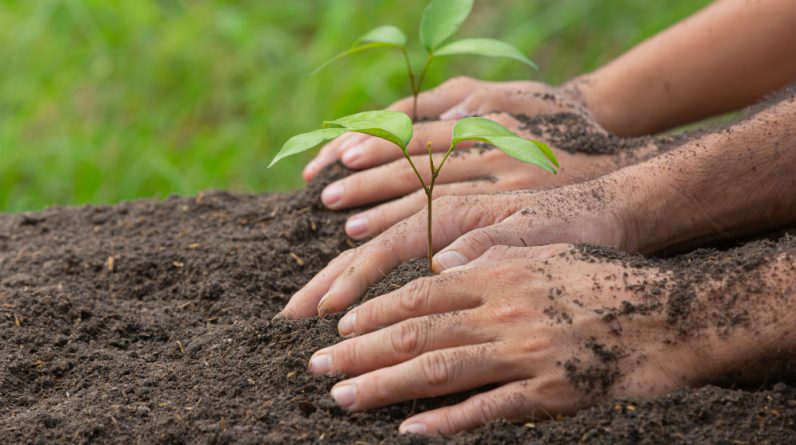
Make it twice as wide as the root ball, but no deeper than the roots sit. You want the tree to sit at ground level, not buried like a pirate treasure.
Handling the Roots with Care
Gently loosen roots if they’re tightly bound. You’re encouraging them to stretch out and settle in.
Watering and Mulching
Give it a thorough drink right after planting. Then mulch around the base (not against the trunk!) to keep the moisture in and weeds out.
Aftercare and Maintenance
Watering Schedule
Water deeply but infrequently. For the first two years, your tree is like a baby—it needs a lot of care and attention.
Pruning Essentials
Prune dead or damaged branches. Shape gently, don’t go Edward Scissorhands on it.
Monitoring Tree Health
Keep an eye out for yellowing leaves, pests, or fungus. Early detection = easier treatment.
Common Tree Planting Mistakes to Avoid
Planting Too Deep or Too Shallow
Too deep suffocates the roots. Too shallow exposes them. Like Goldilocks, it needs to be just right.
Overwatering or Underwatering
Both can kill your tree. Stick your finger in the soil—if it’s dry a couple of inches down, it’s time to water.
Urban Tree Planting Tips
Challenges in Urban Settings
Concrete, pollution, and limited space? City trees have it rough. Choose hardy, pollution-tolerant species.
Trees That Thrive in Cities
Think Ginkgo, Red Maple, or Honeylocust. These species are like the superheroes of urban forestry.
Tree Planting for Wildlife and Habitat Restoration
Creating Wildlife Corridors
Plant trees in a line or cluster to help animals travel, feed, and breed more safely.
Supporting Pollinators and Birds
Flowering trees like Dogwood or Crabapple attract bees and hummingbirds. Win-win!
Schools and Community Tree Planting Projects
Getting Students Involved
Tree planting is a hands-on science lesson. Kids learn responsibility and environmental awareness.
Organizing Community Events
Partner with local councils or NGOs. Make it festive with food, music, and tree-themed games.
Tree Planting and Sustainable Living
Trees in Permaculture and Agroforestry
Trees are key players in sustainable agriculture. They provide shade, retain moisture, and support crop diversity.
Tree-Based Carbon Offsetting
Offset your carbon footprint by planting trees. Some platforms even let you calculate your exact emissions and match it with tree planting.
Future of Tree Planting: Innovation & Tech
Drones for Tree Planting
Yes, really—drones can now plant up to 100,000 trees a day! Technology meets ecology in the coolest way possible.
Tree-Planting NGOs and Apps
Apps like Ecosia use ad revenue to plant trees. Just by browsing, you’re helping reforest the planet.
Conclusion
Planting a tree might seem like a small act, but its impact is enormous. From fighting climate change to beautifying your street, trees offer a green solution to some of our biggest problems. Whether you’re planting one in your backyard or joining a global campaign, every tree counts. So dig in, get your hands dirty, and plant for a better tomorrow.
FAQs
- How often should I water a newly planted tree?
Water it deeply once or twice a week for the first two years, depending on rainfall and soil type. - What’s the best type of mulch for trees?
Organic mulch like wood chips or bark is ideal. Avoid piling it against the trunk. - Can I plant a tree in the summer?
It’s not ideal due to heat stress, but if you must, water generously and mulch well. - Do all trees attract wildlife?
Most do, especially native ones. Flowering and fruiting trees are especially wildlife-friendly. - How do I protect young trees from animals or lawn equipment?
Use tree guards or wire mesh to shield them until they’re strong enough to stand their ground.