Introduction
What Makes Sunflowers Unique?
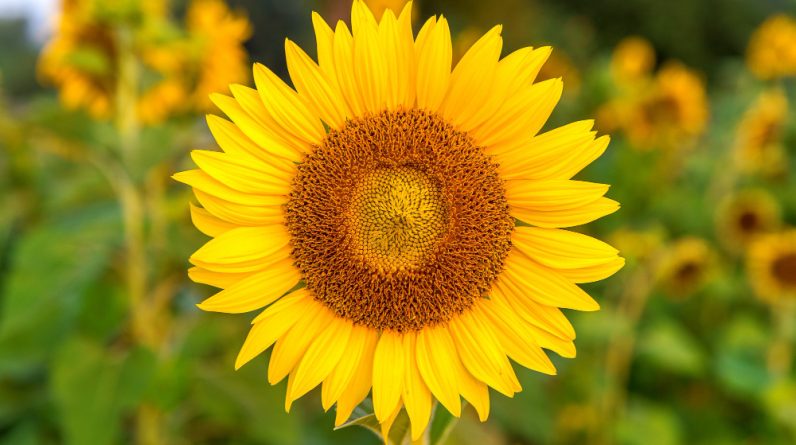
Sunflowers are like little suns standing tall on Earth, radiating beauty and positivity wherever they grow. Their ability to follow the sun, a phenomenon called heliotropism, makes them absolutely magical in gardens and fields.
Historical Significance of Sunflowers
Native to North America, sunflowers were cultivated as early as 3000 BC. Indigenous tribes used them for food, medicine, dye, and oil. Over time, these cheerful giants traveled the globe, becoming symbols of hope and happiness.
Botanical Overview
Scientific Classification
- Kingdom: Plantae
- Order: Asterales
- Family: Asteraceae
- Genus: Helianthus
- Species: Most commonly Helianthus annuus
Physical Characteristics
Sunflowers can reach heights between 5 and 12 feet. They boast large, broad leaves and a singular flowering head filled with hundreds or even thousands of tiny florets, eventually turning into seeds.
Types of Sunflowers
Common Varieties
- Giant Sunflowers: Think skyscrapers of the garden.
- Dwarf Sunflowers: Perfect for pots and small spaces.
- Colored Varieties: Shades from vibrant red to deep orange.
Rare and Unique Species
Species like Helianthus maximiliani offer a wild, rustic charm, while the teddy bear sunflower blooms into a fluffy ball of sunshine!
The Life Cycle of a Sunflower
Germination Stage
Once the seed touches moist soil, it awakens. Tiny roots anchor down while shoots reach up, dreaming of the sky.
Growth and Development
In a few weeks, the sunflower’s sturdy stalks and large leaves emerge, ready to photosynthesize with enthusiasm.
Flowering and Seed Production
By mid to late summer, giant yellow blooms appear, attracting bees, birds, and countless admirers. After pollination, seeds develop at the flower’s center.
Ideal Growing Conditions
Soil Requirements
Sunflowers prefer well-draining, nutrient-rich soil with a slightly acidic to neutral pH (6.0-7.5).
Sunlight and Temperature
True to their name, sunflowers crave sunlight—at least 6-8 hours daily. They thrive in temperatures between 70°F and 78°F.
Watering Needs
Moderate watering is key. They like a deep soak but hate soggy roots. Think of them as the camels of the flower world.
How to Plant Sunflowers
Preparing the Soil
Loosen the soil about 2 feet deep and mix in compost to ensure healthy root growth.
Sowing Seeds
Plant seeds 1 inch deep and about 6 inches apart. If you’re after massive blooms, give them a little extra elbow room.
Caring for Young Plants
Protect seedlings from birds and pests. Support taller varieties with stakes if needed.
Common Pests and Diseases
How to Protect Your Sunflowers
Watch out for aphids, caterpillars, and sunflower beetles. A strong spray of water or neem oil often does the trick.
Organic Solutions
Introduce ladybugs to your garden or sprinkle diatomaceous earth around plants as a natural pest barrier.
Harvesting Sunflowers
Signs of Readiness
When the petals wilt and the back of the flower head turns yellow-brown, it’s harvest time!
How to Harvest Seeds
Cut the head off, let it dry for a few days, then gently rub the seeds out by hand or with a brush.
Uses of Sunflowers
Culinary Uses
Sunflower seeds make a delicious, crunchy snack. Sunflower oil, rich in healthy fats, is a kitchen staple.
Industrial Applications
Beyond food, sunflower oil is used in cosmetics, paints, and even biofuels.
Decorative Purposes
Dried sunflowers are popular in rustic decor, weddings, and festive autumn displays.
Health Benefits of Sunflower Seeds
Nutritional Profile
Packed with Vitamin E, magnesium, protein, and healthy fats, sunflower seeds are tiny nutritional powerhouses.
Health Advantages
They boost heart health, support the immune system, and even help improve mood thanks to their magnesium content.
Fun Facts About Sunflowers
- A single sunflower can have up to 2,000 seeds!
- The tallest sunflower ever recorded was 30 feet tall.
- Sunflowers are one of the fastest-growing plants—they can grow 8-12 inches in a single day!
Symbolism and Cultural Importance
Sunflowers symbolize loyalty, adoration, and longevity. In many cultures, they are seen as a source of joy and energy, often associated with positivity and good fortune.
Tips for Growing Sunflowers Successfully
- Choose a sunny spot.
- Space them out properly.
- Water deeply but infrequently.
- Protect young plants from critters.
- Stake taller varieties to avoid bending.
Conclusion
Sunflowers are so much more than just a pretty face in your garden. They’re a symbol of optimism, a gift from nature, and a versatile resource. Whether you’re growing them for beauty, food, or fun, adding sunflowers to your life brings a touch of sunshine to every day. So, why not start planting some today and let your world bloom a little brighter?
FAQs
- How long do sunflowers take to grow?
Typically, sunflowers take about 70-100 days from planting to full bloom. - Can sunflowers regrow after being cut?
Most annual sunflowers do not regrow after being cut, but some perennial varieties can return. - Do sunflowers require a lot of maintenance?
Not really! They’re pretty low-maintenance once established—just give them sun, water, and a little love. - Can I grow sunflowers indoors?
Dwarf varieties can be grown indoors if they get plenty of direct sunlight. - Are sunflower seeds safe for pets?
Plain, unsalted sunflower seeds are generally safe for dogs and birds, but always consult your vet first.