Introduction to Bonsai
What is Bonsai?
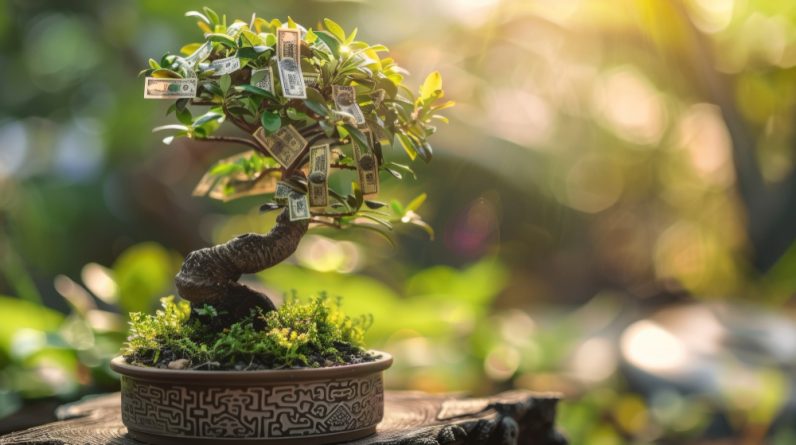
Bonsai isn’t just a plant in a small pot; it’s a living piece of art. Bonsai, meaning “planted in a container” in Japanese, involves cultivating miniature trees that mimic the shape and scale of full-sized trees in nature.
A Brief History of Bonsai
The practice dates back over a thousand years, originating in China as “penjing” before being refined into an art form in Japan. Today, bonsai is a global hobby that connects people with nature and patience.
The Philosophy Behind Bonsai
Symbolism in Bonsai
Bonsai symbolizes harmony, balance, and simplicity. It teaches us about the beauty of imperfection and the power of resilience.
The Spiritual Connection
Tending a bonsai tree is a meditative act, often seen as a way to cultivate inner peace and mindfulness.
Types of Bonsai Trees
Indoor Bonsai Trees
Species like Ficus, Chinese Elm, and Jade do well indoors, thriving in controlled climates.
Outdoor Bonsai Trees
Pine, Juniper, and Maple bonsai flourish outside, where they can experience seasonal changes just like their larger cousins.
Popular Bonsai Species
Ficus Bonsai
Ideal for beginners, Ficus is hardy, forgiving, and adapts well to indoor environments.
Juniper Bonsai
Junipers are classic, outdoor-friendly trees that can be shaped into dramatic, beautiful forms.
Maple Bonsai
With their vibrant fall colors, Maples are showstoppers in any bonsai collection.
Understanding Bonsai Styles
Formal Upright (Chokkan)
Imagine a tree standing tall against the wind—that’s Chokkan. Perfectly straight trunk, symmetric branches.
Informal Upright (Moyogi)
More relaxed and natural, with gentle bends in the trunk, Moyogi looks like a tree growing freely in the wild.
Cascade (Kengai)
In Kengai, the tree “cascades” downward, like a tree growing on the side of a cliff, reaching towards the valley.
How to Start Your Bonsai Journey
Choosing the Right Tree
Pick a species suited to your environment and experience level. Beginners often start with Ficus or Juniper.
Picking the Perfect Pot
The pot isn’t just a container—it’s part of the art! Choose a pot that complements the tree’s style and personality.
Tools You’ll Need
Get a good pair of bonsai scissors, wire cutters, root rakes, and shaping wire to help you style and maintain your tree.
Growing and Caring for Bonsai
Soil and Repotting
Use well-draining bonsai soil to prevent root rot. Repot your tree every 2-3 years to refresh the soil and trim the roots.
Watering Techniques
Don’t drown it! Bonsai trees prefer consistent moisture but hate being waterlogged. Check the soil daily.
Fertilization Needs
Feed your bonsai regularly with a balanced fertilizer during the growing season for strong, healthy growth.
Pruning and Shaping
Structural Pruning
Remove large branches to set the basic framework. Think of it like sketching the rough shape of a masterpiece.
Maintenance Pruning
Regularly trim new shoots to maintain the tree’s miniaturized size and aesthetic.
Wiring Techniques
Use wire to gently bend and position branches. Think of it as guiding your tree’s dance moves!
Bonsai Through the Seasons
Spring and Growth
Time for new life! Spring is ideal for repotting and major shaping.
Summer Maintenance
Focus on watering more often and shielding your bonsai from intense midday sun.
Fall Preparation
Let your tree prepare for rest—reduce feeding and enjoy the stunning autumn colors.
Winter Care
Protect your bonsai from freezing temps. Some species need a dormant period, while tropical ones may need to move indoors.
Common Problems and How to Fix Them
Pest Control
Spider mites and aphids love bonsai. Neem oil or insecticidal soap can keep them at bay.
Disease Management
Watch for root rot and fungal infections. Proper watering and good airflow are your best defenses.
Bonsai Display and Aesthetics
Placement is key! Use stands or mats to showcase your bonsai’s beauty. Simplicity is the golden rule—less is more.
Benefits of Growing Bonsai
Besides being gorgeous, bonsai improves mental health, boosts patience, sharpens focus, and connects you to nature’s rhythms.
Fun Facts About Bonsai
- The oldest known bonsai is over 1,000 years old!
- Bonsai trees were given as gifts of peace after World War II.
- Some bonsai trees sell for millions of dollars at auctions.
Conclusion
Bonsai is more than just gardening—it’s a living art form that demands care, love, and patience. Each tree tells a story of resilience, beauty, and timelessness. Whether you’re new to it or already obsessed, bonsai can bring a piece of serene nature into your everyday life. So, why not start your bonsai journey today and create a miniature world of wonder at your fingertips?
FAQs
- How often should I water my bonsai?
It depends on the tree and environment, but generally, check daily and water when the topsoil feels dry. - Can any tree become a bonsai?
Almost any woody-stemmed tree or shrub can become a bonsai with proper care and training. - Is bonsai expensive to maintain?
Not necessarily. Starter kits are affordable, and once set up, costs are minimal aside from occasional tools and soil. - How long does it take to grow a bonsai tree?
Patience is key—it can take 3 to 5 years to shape a young bonsai into something impressive. - Can bonsai trees live indoors permanently?
Some species, like Ficus, can thrive indoors, but most bonsai trees need outdoor conditions to stay healthy.