Introduction
You’ve probably seen them — those big, bold flowers that scream tropical paradise. Yep, we’re talking about hibiscus. Known for their show-stopping blooms, hibiscus plants aren’t just pretty faces. They’re packed with history, health benefits, and charm.
What is the Hibiscus Plant?
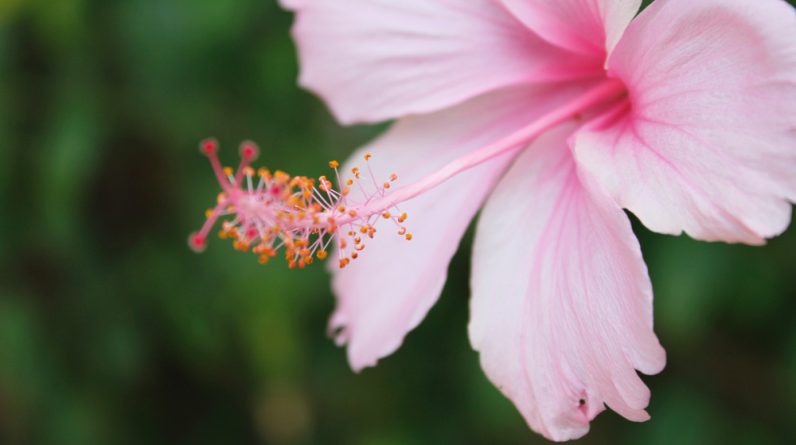
The hibiscus is a flowering plant from the mallow family (Malvaceae). It’s most recognizable for its large, trumpet-shaped flowers that come in a rainbow of colors — red, pink, yellow, orange, white, and even purple.
Brief History and Origin
Native to warm, tropical, and subtropical regions, hibiscus has been cultivated for centuries. From Asia to the Caribbean, this plant has made its way into gardens, medicines, and teacups across cultures.
Types of Hibiscus
Hardy Hibiscus vs. Tropical Hibiscus
Hardy hibiscus can withstand colder climates, while tropical types prefer warmth and humidity. If you live somewhere frosty, go for the hardy kind. In sunny zones? Tropical hibiscus is your best friend.
Popular Varieties Around the World
Hibiscus Rosa-Sinensis
Known as the Chinese hibiscus, it’s the star of many tropical landscapes.
Hibiscus Syriacus
Also called Rose of Sharon, this hardy type is a favorite in temperate gardens.
Hibiscus Sabdariffa
Famous for its edible calyces used in teas and drinks. You’ll often hear it called Roselle.
How to Grow Hibiscus Plants
Ideal Growing Conditions
Sunlight Needs
Hibiscus is a sun lover. At least 6 hours of direct sunlight keeps those blooms happy.
Soil Requirements
Rich, well-draining soil is key. Think slightly acidic, like a fresh cup of black tea.
Planting Hibiscus
Seeds vs. Cuttings
Cuttings are quicker and more reliable, but seeds give you variety. Choose your adventure.
Pot vs. Garden Planting
In colder areas, pots are better. You can bring them inside when Jack Frost comes knocking.
Caring for Hibiscus
Watering Tips
Hibiscus likes it moist, but not soggy. Think of it like Goldilocks — just right.
Fertilizing Routine
Feed them every couple of weeks during growing season with a balanced fertilizer. High potassium helps bloom production.
Pruning for More Blooms
Don’t be shy — give it a good trim! Pruning encourages branching and more flowers.
Common Pests and Diseases
Aphids
Tiny but annoying. Blast them off with water or neem oil.
Whiteflies
They suck sap and spread diseases. Yellow sticky traps work wonders.
Fungal Issues
Too much water or poor airflow can lead to mold. Give it space and keep it tidy.
Blooming Cycle and Season
When Does Hibiscus Bloom?
Spring to fall is peak blooming time. Some even flower year-round in warm climates.
How to Encourage More Flowers
Sunlight, food, water, and love. Oh, and a little pruning doesn’t hurt.
Medicinal and Health Benefits
Hibiscus Tea and Its Uses
Tart, tangy, and vibrant — hibiscus tea is more than delicious. It’s known to reduce blood pressure and aid digestion.
Benefits for Blood Pressure and Cholesterol
Studies suggest hibiscus can naturally lower blood pressure and help manage cholesterol levels.
Antioxidant Properties
Packed with antioxidants, hibiscus helps fight off free radicals and inflammation.
Hibiscus in Culture and Symbolism
Spiritual and Cultural Significance
In Hinduism, the red hibiscus is sacred to goddess Kali. In Hawaii, wearing a hibiscus behind the ear can signal relationship status.
Symbolism in Different Countries
In South Korea, hibiscus symbolizes immortality. In Malaysia, it represents courage and life.
Decorative Uses and Landscaping
How to Use Hibiscus in Garden Design
They make perfect centerpieces, hedges, or tropical backdrops.
Indoor Hibiscus Decor Tips
Keep them near a bright window, and they’ll add instant vacation vibes to your living room.
Propagation and Reproduction
How to Propagate Successfully
Use healthy cuttings, dip in rooting hormone, and plant in moist soil. Easy peasy.
Troubleshooting Common Problems
Wilting, yellow leaves, or no flowers? It’s usually water, light, or nutrients.
Environmental Benefits of Hibiscus
Supporting Pollinators
Bees and butterflies can’t resist the bright blooms — it’s a pollinator’s paradise.
Soil and Air Benefits
Their roots help hold soil in place, and their leaves absorb carbon dioxide.
Hibiscus and Wildlife
Birds, Bees, and Butterflies
The bright colors and sweet nectar make hibiscus a magnet for garden visitors.
Attracting Pollinators to Your Garden
Plant hibiscus alongside other nectar-rich flowers to create a buzzing ecosystem.
Culinary Uses
Hibiscus in Food and Beverages
From teas to jellies to cocktails, hibiscus brings flavor and color to the table.
Traditional Recipes Featuring Hibiscus
Try “Agua de Jamaica,” a popular Mexican hibiscus tea — sweet, tangy, and refreshing!
Myths and Fun Facts
Folklore and Legends
Some cultures believe hibiscus attracts love and passion. Worth a try, right?
Interesting Trivia About Hibiscus
Did you know hibiscus flowers only last a day? But don’t worry — new ones pop up daily!
Conclusion
The hibiscus plant is more than just a pretty flower — it’s a powerhouse of beauty, culture, health, and life. Whether you’re sipping on hibiscus tea, planting a vibrant garden, or just soaking in the tropical vibes, this flower truly has it all.
FAQs
Q1: Can hibiscus grow indoors?
Yes! Just place it near a bright window and keep it warm.
Q2: How often should I water my hibiscus?
Water when the top inch of soil feels dry — usually 2–3 times a week in hot weather.
Q3: Is hibiscus safe for pets?
Some varieties can be toxic to pets, so it’s best to check before planting.
Q4: Can I make tea from any hibiscus flower?
Only certain species like Hibiscus sabdariffa are used for tea. Avoid others unless you’re sure.
Q5: Why are the leaves on my hibiscus turning yellow?
Could be overwatering, poor drainage, or lack of nutrients. Check soil and adjust care.