Introduction to Aloe Vera
What is Aloe Vera?
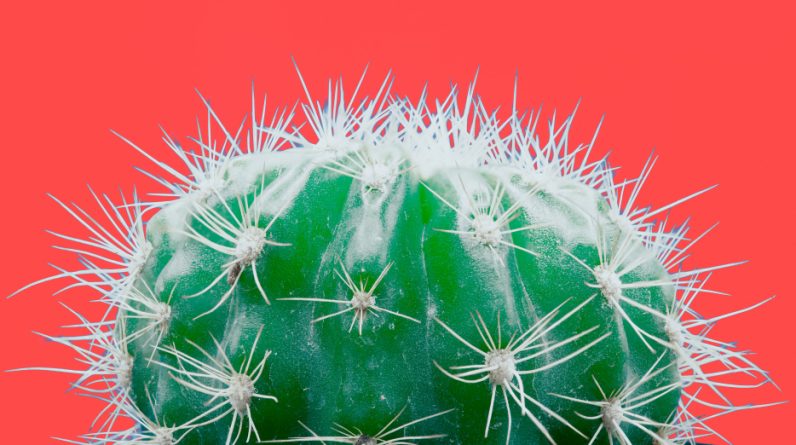
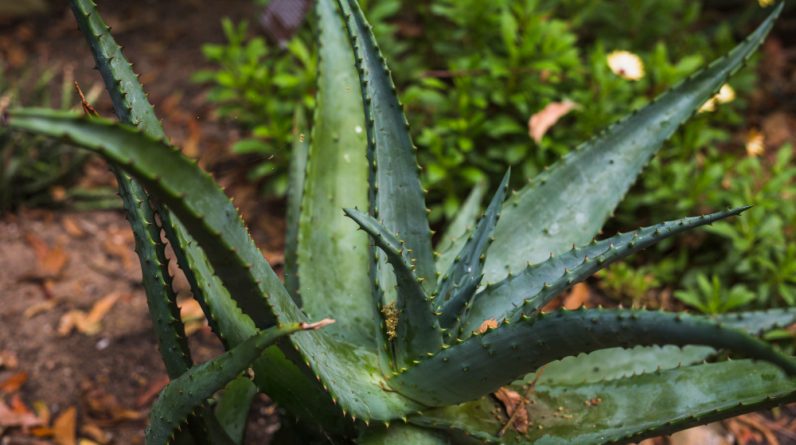
Aloe Vera is a spiky, succulent plant that looks like it belongs in a desert but actually holds a juicy secret—its gel! Packed with vitamins, minerals, and enzymes, this humble green plant has been dubbed “the plant of immortality” by ancient Egyptians for good reason.
Brief History and Origin
Aloe Vera has roots (literally) tracing back thousands of years to the Arabian Peninsula. It later spread to North Africa, India, and even the Mediterranean, becoming a staple in herbal medicine cabinets across civilizations.
Why Aloe Vera is So Popular Today
From skincare to smoothies, aloe vera has become a modern-day wellness icon. Its versatility, healing power, and ease of cultivation make it a favorite for health buffs, beauty gurus, and casual gardeners alike.
Types of Aloe Vera
Common Species of Aloe
There are over 500 species of Aloe, but Aloe Barbadensis Miller is the superstar. That’s the one most commonly used for commercial gel, skincare, and health products.
Best Aloe Vera Varieties for Home Growing
If you’re looking to grow one at home, go for:
- Aloe Vera (Aloe Barbadensis Miller)
- Aloe Aristata (Lace Aloe)
- Aloe Ferox (Cape Aloe)
They’re low-maintenance and perfect for sunny windowsills or gardens.
How to Grow Aloe Vera at Home
Ideal Climate and Conditions
Aloe Vera thrives in warm, dry climates. Think Arizona vibes—not rainy London. If it’s too cold, keep it indoors.
Potting and Soil Requirements
Well-draining soil is non-negotiable. Cactus mix or a DIY combo of sand, perlite, and potting soil works wonders.
Watering and Light Needs
This plant loves sunlight and hates soggy roots. Water it only when the soil is bone dry. Overwatering is aloe’s worst enemy.
Common Problems and How to Fix Them
- Brown tips? Too much sun.
- Mushy leaves? Overwatering.
- Leggy growth? Not enough sunlight.
Harvesting Aloe Vera Gel
How to Cut the Leaves Safely
Choose older, outer leaves and slice them close to the base using a sterilized knife. Let the yellow sap (aloin) drain—it’s not the good stuff.
Extracting and Storing the Gel
Once drained, slice open the leaf, scoop out the clear gel, and store it in the fridge. Use within a week for freshness or freeze in ice cube trays.
Health Benefits of Aloe Vera
Skin Care Uses
From soothing sunburn to moisturizing dry patches, aloe vera is your skin’s best friend. It’s a natural hydrator loaded with vitamins A, C, and E.
Internal Health Benefits
Drinking aloe vera juice (in moderation) can support digestion, detox the liver, and even boost immunity. Always check if it’s food-grade!
Aloe Vera for Hair Care
Aloe works wonders for itchy scalps, dandruff, and weak hair. Its enzymes can help repair dead skin cells on your scalp.
Anti-inflammatory and Healing Properties
Thanks to compounds like acemannan, aloe vera has legit anti-inflammatory powers. It’s like nature’s first-aid kit for minor cuts, burns, and irritations.
Aloe Vera in Beauty and Skincare
DIY Face Masks and Lotions
Blend aloe gel with honey, turmeric, or rose water for a refreshing DIY mask. It’s gentle, natural, and budget-friendly.
Aloe Vera for Acne and Burns
Its antibacterial and anti-inflammatory properties make it perfect for calming acne and healing small burns.
Aloe Vera in Traditional and Modern Medicine
Historical Medicinal Uses
Ancient Egyptians used it for embalming and wound care. Traditional Chinese medicine praised it for treating fungal diseases. It’s been used everywhere from Ayurveda to Roman battlefields.
Scientific Research and Modern Applications
Studies suggest aloe may help with psoriasis, dermatitis, and even diabetes control. It’s being explored in pharmaceuticals, cosmetics, and health supplements.
Cautions and Side Effects
When Not to Use Aloe Vera
Avoid using aloe on deep wounds or after surgery. It can delay healing in some cases.
Interactions with Medications
Aloe can interfere with diabetes meds, diuretics, and laxatives. When in doubt, consult your doctor before using it internally.
Aloe Vera Products in the Market
How to Choose Quality Aloe Vera Products
Look for:
- 99% pure aloe vera
- No alcohol or artificial colors
- Cold-pressed formulas
Reading Labels and Avoiding Additives
Watch out for sneaky additives like parabens, sulfates, and synthetic fragrances. They defeat the purpose of using a “natural” product.
Sustainability and Environmental Benefits
Easy to Grow, Low Resource Plant
Aloe needs minimal water and space—perfect for eco-conscious households. It’s also a natural air purifier.
Eco-friendly Uses of Aloe Vera
Its gel can be used as a plastic-free moisturizer, hair gel, or even as a natural aftershave.
Fun Facts About Aloe Vera
Myths, Legends, and Cultural Beliefs
Cleopatra reportedly used it in her beauty routine. Alexander the Great conquered Socotra Island just to secure a supply for his wounded soldiers.
Aloe Vera in Art and Literature
It’s mentioned in the Bible, used in Shakespearean herbal remedies, and even featured in modern poetry for its symbolism of healing.
Conclusion
Aloe Vera isn’t just a spiky plant—it’s a green miracle with healing powers that span centuries. From health to beauty, it’s earned its rightful place in homes, hospitals, and herbal lore alike. Whether you grow it, use it in DIY masks, or sip it in juice form, aloe vera brings nature’s pharmacy straight to your doorstep.
FAQs
Is it safe to consume aloe vera daily?
It can be safe in small, food-grade doses, but always consult with a healthcare provider first.
Can I apply aloe vera directly from the plant to my face?
Yes, just make sure to patch test first and avoid the yellow aloin sap.
How long does fresh aloe vera gel last?
About 5–7 days in the fridge, or up to 6 months if frozen.
Can aloe vera cure sunburn?
It won’t “cure” it, but it can seriously speed up healing and soothe the burn.
Why is my aloe vera plant turning brown?
Likely due to too much sunlight, underwatering, or poor drainage.