Introduction to Cactus Plants
What Makes a Plant a Cactus?
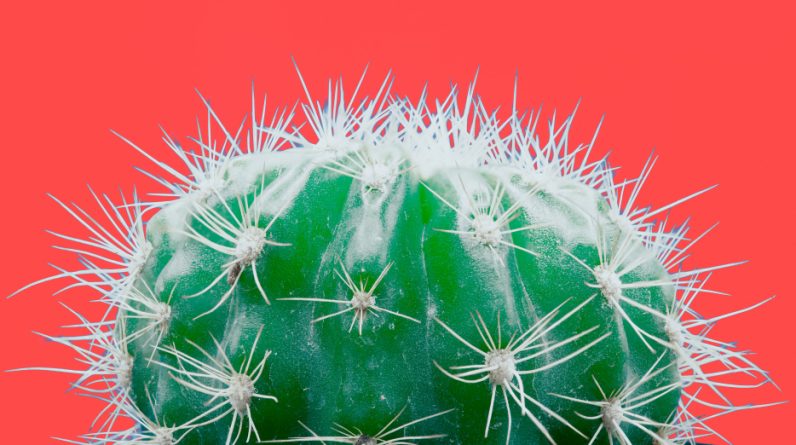
A cactus isn’t just any plant with thorns—it’s a botanical survivor. These unique plants are part of the Cactaceae family, known for their ability to thrive in the harshest environments. Their thick, fleshy stems store water, and those iconic spines? They’re actually modified leaves designed to protect and reduce water loss.
The History and Evolution of Cacti
Cacti evolved millions of years ago in the Americas, especially in arid regions like the deserts of Mexico and the southwestern U.S. Over time, they adapted to extreme drought, becoming masters of conservation. Today, their resilience is admired worldwide.
Popularity and Cultural Significance
From Instagrammable houseplants to ancient symbols of protection and endurance, cacti are more than décor. They’ve inspired art, myths, and even survival strategies for desert travelers.
Types of Cactus Plants
Desert Cacti vs. Forest Cacti
Desert cacti are what most people picture—tall, spiny, and sun-loving. Think Saguaro or Barrel Cactus. Forest cacti, like the Christmas Cactus, are tropical, have fewer spines, and prefer shady, moist environments.
Most Popular Cactus Species
- Saguaro (Carnegiea gigantea) – The towering symbol of the American Southwest.
- Barrel Cactus – Rounded and ribbed, often used in landscaping.
- Prickly Pear (Opuntia) – Known for its edible fruit.
- Christmas Cactus (Schlumbergera) – A favorite indoor blooming plant.
Unique and Rare Varieties
Some cactus species bloom only at night, like the Queen of the Night, while others, like Lophophora williamsii, have sacred uses in indigenous rituals.
How to Grow Cactus at Home
Choosing the Right Species
If you’re a beginner, go for easy-growers like Mammillaria, Golden Barrel, or Bunny Ear Cactus. They’re low-maintenance and forgiving.
Soil and Pot Requirements
Use a cactus-specific or well-draining soil mix. Pots should have drainage holes—cacti hate soggy roots!
Light, Temperature, and Humidity
Place them in bright, indirect sunlight. Most cacti thrive between 60°F and 90°F and prefer dry air, making them ideal for indoor environments.
Watering Tips for Healthy Growth
Water deeply but infrequently. Wait until the soil is completely dry before watering again. In winter, reduce watering drastically.
Propagation and Repotting
How to Propagate Cacti from Cuttings
Snip a healthy stem, let it callus for a few days, then plant it in dry soil. Within weeks, roots should start forming.
When and How to Repot Your Cactus
Repot every 2–3 years in spring. Use gloves, wrap spiny parts in newspaper, and handle gently to avoid damage.
Indoor vs. Outdoor Cactus Gardening
Best Indoor Cactus Practices
Choose windowsills or well-lit corners. Rotate regularly for even growth and avoid placing near heaters or cold drafts.
Growing Cactus in Your Outdoor Garden
In warmer zones, outdoor cacti can thrive in rock gardens or raised beds. Just be sure the area gets full sun and drains well.
Benefits of Having a Cactus Plant
Air Purification and Mental Health Perks
While not as powerful as some leafy plants, cacti do help clean the air. Plus, they add a calming vibe and reduce stress.
Low Maintenance and Longevity
Busy schedule? No problem. Cacti can go weeks without care and still look fabulous.
Aesthetic and Feng Shui Benefits
In Feng Shui, cacti symbolize protection and energy. They’re also great for minimalistic, modern décor.
Common Problems and How to Fix Them
Overwatering and Root Rot
This is the #1 cactus killer. Yellowing or mushy stems mean too much water. Let the soil dry and check roots for rot.
Pests and Diseases
Watch for mealybugs and scale. Use neem oil or rubbing alcohol with a cotton swab to remove them.
Sunburn and Environmental Stress
Yes, even sun-lovers get sunburned. If you see white or brown patches, move your cactus to a less intense spot.
Cactus in Culture and Symbolism
Cactus in Native Traditions
Many indigenous groups consider the cactus sacred. Prickly pear and peyote, for example, have ceremonial and medicinal uses.
Modern Symbolism and Meanings
Today, cacti symbolize endurance, protection, and adaptability—perfect metaphors for modern life.
Fun and Fascinating Cactus Facts
Record-Breaking Cactus Species
The tallest saguaro ever recorded was over 78 feet tall. That’s nearly the height of a 7-story building!
Strange and Surprising Features
Some cacti grow flowers as big as dinner plates. Others only bloom once a year—or once in a lifetime.
Cactus Products and Uses
Edible Cactus – Nopales and Prickly Pear
These are not only edible but tasty and nutritious. Nopales are used in salads and tacos, while prickly pear fruit makes great jams and drinks.
Cactus in Skincare and Health Products
Cactus extract is trending in cosmetics due to its hydrating and anti-aging properties.
Sustainable Gardening with Cacti
Why Cactus is an Eco-Friendly Choice
Cacti require little water, no fertilizers, and minimal care—making them a planet-friendly plant.
Water-Saving and Soil Protection Benefits
Their deep root systems help prevent erosion and retain soil moisture in arid climates.
DIY Projects and Cactus Crafts
Making Cactus Terrariums
Layer sand, gravel, and soil in a clear container, add your mini cacti, and voilà—a desert in a jar!
Cactus-Inspired Decor Ideas
Painted cactus rocks, macrame cactus hangers, or even cactus-themed pillows can bring the desert vibe indoors.
Safety Tips and Cautions
Handling Spines and Allergies
Use thick gloves or tongs when handling spiny types. Some people may have mild skin reactions to sap—test first.
Cactus Safety for Pets and Children
Most are non-toxic but spiny cacti should be kept out of reach. Opt for spine-free varieties like Christmas Cactus for safer homes.
Conclusion
Cactus plants may be prickly on the outside, but they’re full of benefits on the inside. Whether you’re after low-maintenance greenery, a sustainable garden, or a touch of desert charm, the cactus is your go-to plant. Strong, resilient, and stunning—they’re a true celebration of nature’s ability to adapt and thrive.
FAQs
How often should I water my cactus?
Usually once every 2–4 weeks, depending on the season and humidity levels.
Can I keep a cactus in my bedroom?
Absolutely! Just make sure it gets enough light during the day.
What should I do if my cactus turns soft?
It’s likely overwatered. Check the roots and repot in dry, fresh soil.
Are all cactus plants safe to eat?
Nope—only specific types like prickly pear and nopales are edible.
Do cacti need fertilizer?
They do, but only sparingly. Use a cactus-specific fertilizer once or twice a year in growing season.