Introduction
What is the Monstera Plant?
Monstera is a tropical plant known for its striking, glossy, split leaves. Commonly called the “Swiss cheese plant,” Monstera is native to Central and South America, where it grows in rainforests. Its distinct appearance makes it a favorite among houseplant enthusiasts worldwide.
The History and Origin of Monstera
The Monstera plant has a rich history, initially discovered by European explorers in the 18th century. It has become a staple in indoor plant collections, loved for both its beauty and its ease of care. In the wild, it can grow into a massive vine, but as a houseplant, it tends to stay smaller while still maintaining its iconic look.
The Unique Features of the Monstera Plant
Iconic Split Leaves
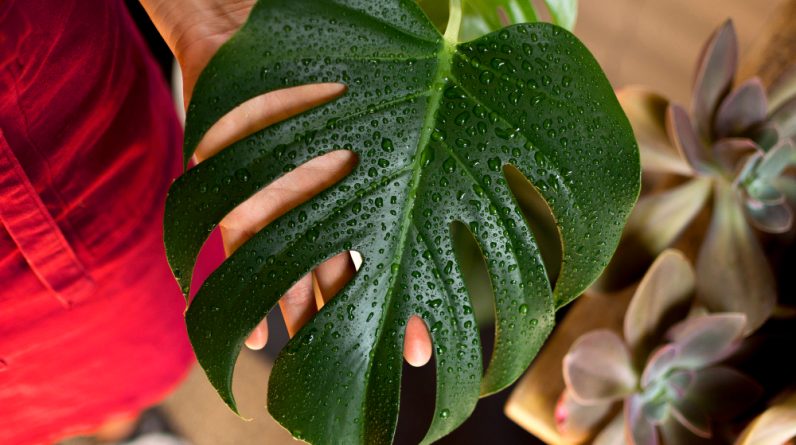
One of the defining features of the Monstera is its unique, split leaves. These holes (known as fenestrations) are believed to help the plant survive in the dense rainforest by allowing the wind to pass through without damaging the plant.
Large, Glossy Green Foliage
Monstera plants are known for their large, dark green, and glossy foliage. The leaves can grow up to 3 feet in length in some cases, giving the plant a bold, tropical aesthetic that adds personality and beauty to any room.
Types of Monstera Plants
Monstera Deliciosa
Monstera Deliciosa is the most common variety, often referred to as the “Swiss cheese plant” because of its large leaves with distinctive holes. It’s also the one typically found in many homes.
Monstera Adansonii
This variety features smaller, heart-shaped leaves with more intricate holes compared to the Deliciosa. It is often referred to as the “Five Holes Plant” and has a more delicate look.
Monstera Borsigiana
Very similar to Deliciosa, but with slightly smaller leaves. It’s also more compact, making it a great choice for smaller spaces or those looking for a more manageable plant.
How to Grow a Monstera Plant
Choosing the Right Spot
Monstera plants thrive in bright, indirect light, though they can tolerate low light for periods of time. However, too much direct sunlight can scorch the leaves, causing brown spots.
Potting and Soil Needs
The Monstera prefers well-draining soil, ideally a mix of potting soil, perlite, and orchid bark. It also requires a pot with good drainage to prevent water from sitting at the roots and causing rot.
Light and Temperature Requirements
Monstera plants like warm conditions, typically between 60°F and 85°F (16°C – 29°C). They do not tolerate cold drafts or temperatures below 50°F (10°C), so they should be kept away from windows that open in the winter.
Monstera Plant Care Tips
Watering the Monstera
Monstera plants are relatively low-maintenance when it comes to watering. They prefer to dry out between waterings, so make sure the top 1-2 inches of soil are dry before watering again. Overwatering can lead to root rot, so be cautious.
Fertilizing for Healthy Growth
During the growing season (spring and summer), fertilize your Monstera every 4-6 weeks with a balanced, liquid houseplant fertilizer. Reduce fertilization during fall and winter when the plant is in a dormant state.
Pruning and Propagating
Pruning Monstera is easy and can help promote new growth. Trim back long vines and any dead or damaged leaves. For propagation, cut a healthy stem with a node (the small bump where leaves grow), and root it in water or soil.
Troubleshooting Monstera Plant Issues
Common Problems and Solutions
- Yellowing Leaves: Often a sign of overwatering or low light. Adjust watering schedules and move the plant to a brighter spot.
- Brown Tips: Can result from underwatering, low humidity, or too much direct sunlight. Increase humidity and adjust watering accordingly.
Yellowing Leaves and What It Means
Yellow leaves could also indicate a nutrient deficiency or a fungal issue. Ensure your plant gets proper nutrients through balanced fertilizer and check the roots for any signs of rot.
The Best Conditions for a Happy Monstera
Humidity and Temperature Needs
Monstera plants enjoy higher humidity levels, so consider using a humidifier or placing the plant on a pebble tray filled with water to increase moisture in the air.
How to Keep Your Monstera Thriving
Ensure the plant gets plenty of indirect sunlight, and avoid moving it around too much. Keep it in a space where the temperature remains consistent, avoiding cold drafts or sudden temperature changes.
Monstera as a Houseplant
Why Monstera is Perfect for Indoor Spaces
Monstera plants are great for indoor spaces because they are relatively low-maintenance and can tolerate a variety of conditions. Their stunning appearance adds a tropical touch to any room, making them a popular choice for home decor.
Decorating with Monstera
You can incorporate Monstera plants into various decor styles, from modern minimalist to boho chic. Their large, bold leaves act as statement pieces in any room.
Monstera’s Role in Purifying the Air
Did you know that Monstera plants help purify the air? Like many indoor plants, they absorb carbon dioxide and release oxygen, improving the air quality in your home. This makes them not just beautiful but beneficial too.
Common Myths About Monstera
Many people think that Monstera plants are difficult to care for, but they are actually very forgiving. They don’t require constant attention and are perfect for beginner plant parents.
Fun Facts About the Monstera Plant
- Monstera plants can live for years if well cared for.
- The holes in the leaves are not present in young plants. They develop as the plant matures.
- Monstera is sometimes called the “hurricane plant” because of its ability to survive strong winds in its natural habitat.
How to Propagate Your Monstera
Propagation is simple! Take a cutting of a stem with a node, place it in water, and wait for roots to develop. Once roots are established, transfer the cutting to soil.
Monstera Plant and Its Symbolism
The Monstera plant is often associated with vitality, protection, and growth. Its unique appearance symbolizes strength, resilience, and the beauty of nature.
Conclusion
The Monstera plant is not just a beautiful addition to your home—it’s a statement of elegance, tropical charm, and ease of care. Whether you’re a seasoned plant parent or just starting out, the Monstera can thrive with the right care and attention. From its iconic leaves to its air-purifying qualities, it’s a perfect companion for any space.
FAQs
- How often should I water my Monstera?
Water your Monstera when the top inch or two of the soil is dry. Avoid overwatering as this can lead to root rot. - Can I grow Monstera in low light?
Monstera can tolerate low light, but it thrives in bright, indirect light. Avoid direct sunlight, which can scorch the leaves. - Why are the leaves of my Monstera turning yellow?
Yellowing leaves are usually a sign of overwatering, poor drainage, or a nutrient deficiency. Check your watering schedule and soil. - Can I propagate my Monstera in water?
Yes, Monstera can be propagated in water. Simply cut a stem with a node, place it in water, and wait for roots to grow before planting it in soil. - Is Monstera safe for pets?
Monstera is toxic to pets, especially cats and dogs. It’s best to keep the plant out of reach of curious animals.