Introduction
Bamboo is one of the most fascinating plants on the planet, renowned not only for its elegance and beauty but also for its versatility and environmental benefits. Whether you’re an experienced gardener or someone just beginning to explore the world of plants, bamboo can make an exceptional addition to your collection.
In this article, we’ll explore everything you need to know about the bamboo plant—from its history and varieties to how to grow and maintain it. So, let’s dive into the wonderful world of bamboo!
What is Bamboo?
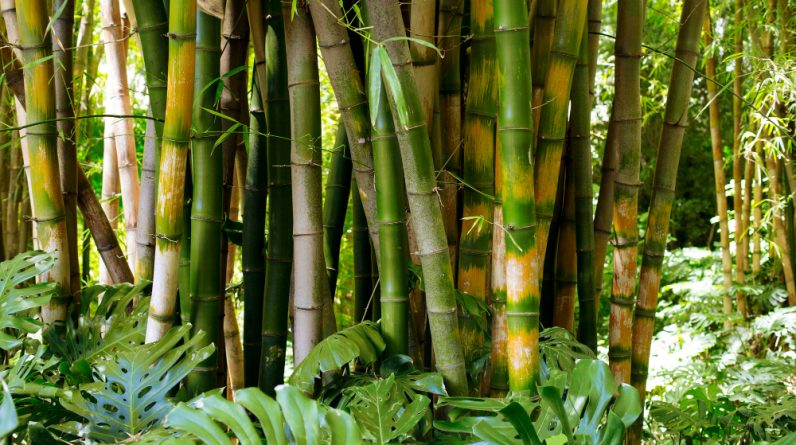
Bamboo is a fast-growing grass that belongs to the Poaceae family, with over 1,400 species found across the world. Despite being classified as a grass, bamboo can grow as tall as 100 feet in certain species! It’s a plant that has earned its reputation as both a symbol of resilience and an essential resource in many cultures.
The Different Types of Bamboo
When you think of bamboo, you might imagine tall, thin stalks reaching toward the sky. However, bamboo comes in many shapes and sizes. Here’s a quick look at the different types of bamboo:
Running Bamboo
Running bamboo is known for its aggressive growth. It spreads quickly by sending out underground rhizomes, making it perfect for filling large spaces or creating natural fences.
Clumping Bamboo
Clumping bamboo grows in a tight, dense cluster, with new shoots emerging close to the parent plant. This type is less invasive than running bamboo and is often used for smaller gardens.
The Many Uses of Bamboo
Bamboo is an incredibly versatile plant with a wide array of uses. From construction materials to paper, bamboo has been used for centuries in various industries.
Bamboo as a Building Material
Bamboo is a popular choice for construction in parts of Asia and is becoming more widely used around the world. Its strength, lightweight nature, and rapid growth make it an eco-friendly alternative to wood.
Bamboo in Food
Some species of bamboo are edible, and their shoots are a common ingredient in many Asian cuisines. Bamboo shoots are rich in nutrients and can be used in a variety of dishes.
Bamboo in Crafting and Decoration
Bamboo’s flexible yet sturdy nature makes it a great material for crafting items like furniture, baskets, and even flooring. It’s also used in decorative items like wind chimes and plant stakes.
The Benefits of Growing Bamboo
Bamboo is not just visually appealing—it also provides numerous benefits for both the environment and the gardener.
Environmental Benefits
Bamboo is an eco-friendly plant that grows quickly and absorbs large amounts of carbon dioxide. It also helps prevent soil erosion with its deep root system.
Low Maintenance
Bamboo requires minimal care once established. It’s a hardy plant that can tolerate a variety of soil types and weather conditions.
How to Grow Bamboo
Growing bamboo is relatively easy, but there are a few key steps to follow to ensure healthy growth.
Choosing the Right Location
Bamboo thrives in a variety of conditions, but it does best in areas with plenty of sunlight. While it can tolerate some shade, bamboo plants are happiest in bright, indirect sunlight.
Preparing the Soil
Bamboo prefers well-drained soil with a slightly acidic to neutral pH. Add compost or organic matter to the soil to provide nutrients and improve drainage.
Planting Bamboo
When planting bamboo, dig a hole that’s twice the size of the root ball. Gently place the bamboo in the hole and cover it with soil, ensuring the top of the root ball is level with the ground. Water it thoroughly after planting.
Bamboo Care and Maintenance
To keep your bamboo healthy and thriving, proper care is essential. Here are some tips for maintaining your bamboo plant:
Watering
Bamboo needs regular watering, especially in dry periods. However, avoid waterlogging, as this can lead to root rot. Water deeply but infrequently.
Pruning
Pruning is essential for controlling the growth of bamboo. Trim back dead or damaged canes, and thin out crowded areas to encourage new shoots.
Fertilizing
Bamboo is a heavy feeder, so using a balanced fertilizer in the spring and summer will help support its growth. Organic compost is a great natural option.
Controlling Bamboo Spread
If you’re concerned about your bamboo plant spreading uncontrollably, there are several ways to keep it in check:
Installing a Barrier
For running bamboo, installing a physical barrier around the roots can prevent them from spreading into unwanted areas.
Regular Maintenance
Make sure to regularly prune and remove any new shoots that appear outside of your designated bamboo area.
Bamboo Planting in Pots vs. the Ground
You may wonder whether bamboo should be planted in the ground or in pots. Both options are viable, but there are pros and cons to each:
Bamboo in Pots
Bamboo in pots is a great choice if you have limited space or want to control its growth. Make sure the pot is large enough to accommodate the plant’s root system.
Bamboo in the Ground
Planting bamboo in the ground allows it to reach its full height and spread naturally. However, make sure you are prepared to manage its growth, especially if it’s a running variety.
Common Problems with Bamboo and How to Fix Them
Although bamboo is a relatively low-maintenance plant, it can still face a few issues from time to time. Here are some common bamboo problems and their solutions:
Yellowing Leaves
Yellowing leaves can be a sign of poor drainage, overwatering, or nutrient deficiencies. Ensure the plant isn’t sitting in stagnant water and consider adding a balanced fertilizer.
Pests
Bamboo is susceptible to pests like aphids, spider mites, and mealybugs. Regularly check for pests and treat the plant with insecticidal soap if necessary.
Bamboo for Indoor Use
Bamboo can also make a great indoor plant. Here are some tips for growing bamboo indoors:
Choosing the Right Species
Smaller bamboo species like Bambusa or Fargesia are ideal for indoor environments. They won’t outgrow the space as quickly as larger varieties.
Indoor Care
Provide your indoor bamboo with plenty of indirect sunlight and ensure it gets regular water. Keep it away from drafty windows or heating vents that may dry it out.
The Symbolism of Bamboo
In many cultures, bamboo is considered a symbol of strength, flexibility, and resilience. It’s also associated with good fortune and prosperity in countries like China and Japan.
Bamboo and Sustainability
Bamboo is a sustainable material due to its rapid growth and minimal environmental impact. It can be harvested without harming the plant, and its ability to absorb carbon dioxide makes it a great choice for eco-conscious gardeners and builders.
Bamboo in Landscaping
Bamboo is a fantastic plant for landscaping, whether used as a privacy screen, a natural fence, or as part of a garden design. Its tall, graceful stems provide structure and interest to any outdoor space.
Bamboo for the Home: Creative Ideas
If you’re looking to bring bamboo into your home, there are many creative ways to incorporate this versatile plant into your décor. Try using bamboo in:
- Planters and containers
- Wall hangings or framed art
- Bamboo furniture for a minimalist vibe
Conclusion: Why Bamboo is Worth Your Attention
Bamboo is a unique and versatile plant that offers numerous benefits for gardeners, homeowners, and the environment. Whether you’re planting it for decorative purposes, using it for crafting, or simply enjoying its natural beauty, bamboo is sure to impress. With the right care and attention, this remarkable plant will thrive and bring joy for years to come.
FAQs
- How fast does bamboo grow?
Bamboo is one of the fastest-growing plants in the world, with some species growing up to 35 inches per day under optimal conditions. - Can bamboo survive in winter?
While bamboo is generally hardy, some species may need protection from extreme winter temperatures. Make sure to research the specific species you’re growing to ensure it’s suited for your climate. - Is bamboo easy to maintain?
Yes, bamboo is relatively easy to maintain, requiring regular watering, occasional pruning, and periodic fertilizing to keep it healthy. - Can bamboo be grown indoors?
Yes, smaller bamboo species can thrive indoors as long as they have enough light and space to grow. - Does bamboo need a lot of water?
Bamboo likes regular water but doesn’t like to be waterlogged. Ensure that the soil drains well to prevent root rot.